Killing Floor at 15 - Why the Zombie Shooter Still Works
On May 14, 2024, the original Killing Floor turned 15, or 19 if you count the Unreal Tournament 2004 mod that started everything. VG247 marked the date with an opinion piece arguing that Killing Floor is still one of the best zombie shooters around, and that the moment was right for Killing Floor 3. This page retells that argument in our own words and adds context from the rest of this wiki.
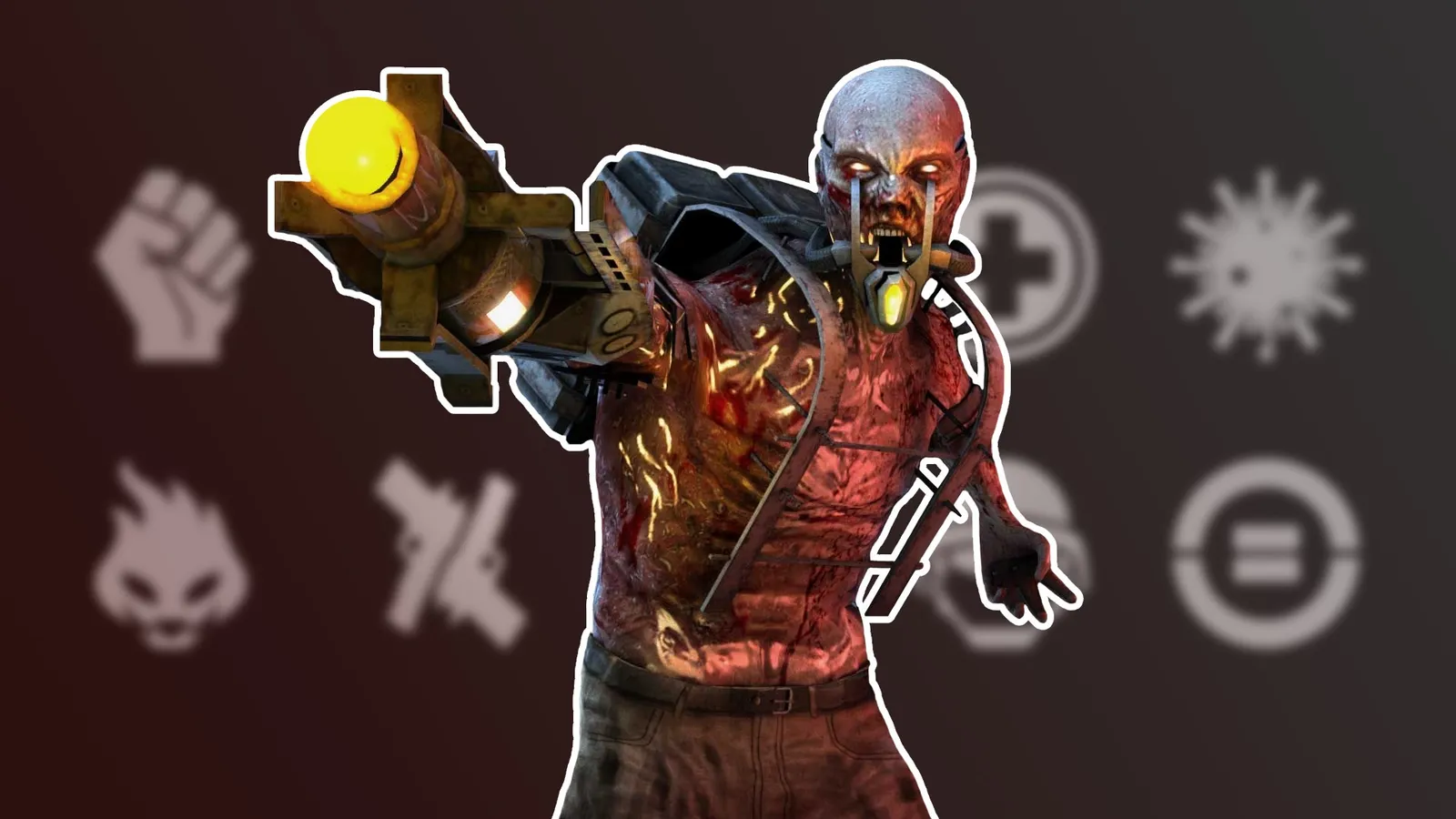 Anniversary header art: a Husk with its arm cannon raised (image: VG247).
A series that outgrew expectations
Zombie shooters fell out of fashion for a while, but trends move in cycles and the genre looks to be on the way back up. Killing Floor's own story is a good example of underestimated success: a simple game about cutting through waves of ZEDs with creative weapons did far better than expected, enough to surprise its own publisher, even though its development technically stretched over about a decade from mod to retail game.
Since then there has been one main sequel, Killing Floor 2, which pushed the formula (mostly) higher and brought the series to consoles for the first time. When the anniversary came around, Killing Floor 3 had just been announced and fans were waiting for details. For the full timeline see development history and Killing Floor 2.
At a time of studio closures and record layoffs, the article argues, it is worth looking at how this series, which helped establish Tripwire Interactive as a solid double-A studio, found its formula almost two decades ago and stuck with a sustainable model that still works. The commercial side of that story is on the 100 million revenue page.
Simplicity is the design
The main lesson of Killing Floor's design is that it thrives on simplicity.
- There are no dozens of obscure items to track for some hidden Easter egg quest.
- It has RPG-style perks, but it never needed damage numbers popping out of enemies to sell the power fantasy.
- It relies on two proven ideas: gradual power progression and an easy-to-read, round-based structure.
Money as progression
A Killing Floor match progresses a bit like Counter-Strike: access to power is gated by money. Play well and you end each wave with more Dosh and more options in the trader. Killing Floor is not a PvP game (although KF2 adds a Versus mode), so it raises enemy difficulty step by step until stronger weapons go from nice to necessary. More on this in Dosh economy.
The two games handle difficulty differently:
| Killing Floor (2009) | Killing Floor 2 | |
|---|---|---|
| How difficulty scales | Mostly more enemy health and damage | Enemies become more aggressive and gain extra attacks |
| Enemy variety | Core specimen roster | A much wider pool of variants, so the climb feels more natural |
| Starting kit | Same basics for everyone | Leveled perks start with their own bonuses and exclusive weapons |
See difficulty levels for the details.
Skill can replace gear
Expensive weapons are not the only route to surviving late waves. The author, who spent years on unstable connections and often joined friends' games late with little Dosh, points out two reasons that never ruined the experience:
- Teammates can share money, a simple fix for a late joiner.
- Weapon handling counts. Killing Floor has roots in tactical shooters, so aim matters. Even with the weak starting pistol, landing headshots, especially during the iconic slow-motion Zed Time, keeps you useful.
KF2 went further with more defined classes: once leveled, a perk starts the match with unique bonuses and its own weapons, whatever you can afford later.
Weapon feel from Red Orchestra
None of this would matter if the moment-to-moment play did not feel good. Many big-budget games lean on extra layers of progression to keep players engaged, yet, as Destiny 2 shows, it is the core mechanics that bring people back, and they are the hardest thing for competitors to copy. Killing Floor works the same way.
Tripwire's background is slower WW2 tactical shooters, and that approach to weapon handling shaped Killing Floor's gunplay. It is tuned for a faster pace and made more accessible, but the roots of every weapon animation trace back to Red Orchestra. Zombie shooters rarely care about gun handling to that degree; Back 4 Blood came closest, and even there weapon feel took a back seat to the rest of the design.
Why the timing suited Killing Floor 3
The article saw a clear gap in the market for a zombie shooter in 2024:
- Small titles showed there was demand: a Call of Duty Zombies-style co-op shooter, Sker Ritual, drew noticeable attention on Steam after leaving Early Access.
- Fans of round-based Call of Duty Zombies had gone hungry for years: Vanguard's version was poorly received, Modern Warfare 2 skipped the mode, and Modern Warfare 3 replaced it with an open-world mode built on DMZ.
- Even with round-based Zombies expected back in the next Treyarch game, there was room for a more direct take on the formula in Killing Floor 3.
Killing Floor 3 has since launched; see the Killing Floor 3 overview and our KF3 review page.
How to celebrate
Both earlier games are frequently on deep discount, received years of free updates and still have active communities. Most importantly, they hold up very well. The author's suggestion for marking the anniversary: load up a match and cut through ZEDs to the heavy metal soundtrack (more in soundtrack and audio design).
FAQ
- When was the 15th anniversary of Killing Floor?
- May 14, 2024 marked 15 years since the retail release of the original Killing Floor. Counting the Unreal Tournament 2004 mod it grew out of, the series is about four years older.
- Why do people consider Killing Floor one of the best zombie shooters?
- Its formula is simple and readable: round-based waves, gradual power growth bought with Dosh, and weapon handling rooted in Tripwire's Red Orchestra shooters, so skill matters as much as gear.
- Can you still do well if you join late with little Dosh?
- Yes. Teammates can drop Dosh for you, and good aim, especially headshots during Zed Time, lets even a starting pistol carry its weight. In KF2, leveled perks also start with their own bonuses and weapons.